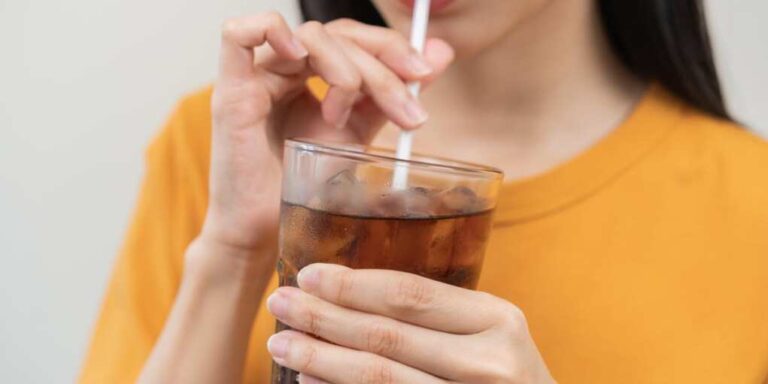
Health and Human Services Secretary Robert F. Kennedy Jr. revealed a new effort this week to block food stamp recipients from purchasing soda and sugary drinks with taxpayer funds. Kennedy argues this common practice wastes taxpayer money and hurts children’s health.
Kennedy joined Agriculture Secretary Brooke Rollins and FDA Commissioner Dr. Marty Makary to celebrate new state agreements that will redefine what food items SNAP users can purchase. The changes specifically target sugary beverages, aiming to eliminate taxpayer subsidies for these products beginning in 2026.
Six new states—West Virginia, Florida, Colorado, Louisiana, Oklahoma, and Texas—have now signed agreements to prohibit SNAP benefits from buying soda and other sugary drinks. Nebraska, Iowa, Indiana, Arkansas, Idaho, and Utah had already signed similar measures previously.
“We are spending $405 million a day on SNAP, about ten percent is going to sugary drinks,” Kennedy explained. “If you add candies, it’s about 13 to 17 percent.”
While Kennedy emphasized his belief in personal choice, he declared strongly that taxpayers should not foot the bill for unhealthy food choices. “If you want to buy a sugary soda—you ought to be able to do that—but the U.S. taxpayer should not pay for it,” he insisted.
Kennedy argued that current SNAP policies ultimately cost taxpayers even more by increasing chronic illnesses like diabetes and obesity among children, which Medicaid and Medicare must later treat. “The U.S. taxpayer should not be paying to feed kids foods—the poorest kids in our country—foods that are going to give them diabetes,” he stated clearly. “We’re going to put an end to that.”
The HHS Secretary also slammed dietary guidelines established during the Biden administration as overly complicated and influenced by corporate interests. Kennedy vowed that his administration will soon release simplified guidelines to help people clearly understand healthy choices, rather than the complicated, 453-page guidelines inherited from Biden’s tenure.
Kennedy has consistently highlighted poor nutrition as a major contributor to America’s chronic disease crisis. During his confirmation hearings, he criticized the unhealthy food offered through school lunch programs, promising substantial reforms. “We shouldn’t be spending 10 percent of the SNAP program on sugar drinks,” he declared at the time, stressing the clear link between unhealthy food and rising healthcare costs.
However, Kennedy assured critics that his policy would not deny people food or limit personal freedom. He clarified, “I’m not going to take food away from anybody.” Kennedy added that anyone wanting junk food could still buy it—but not with taxpayer dollars.
Conservatives strongly support Kennedy’s stance, seeing it as a critical step toward fiscal responsibility and improved public health. Ending taxpayer-funded soda purchases aligns perfectly with conservative principles that emphasize personal accountability, wise use of taxpayer money, and preventing unnecessary government spending on avoidable healthcare costs.
With multiple states now backing Kennedy’s new measures, conservatives see a major victory in promoting healthier lifestyles and reducing taxpayer burdens. Kennedy’s decisive action sends a clear message: Americans are free to make their own choices—but not at the expense of the hardworking taxpayers who fund the system.